
*27 June 2026*
STTA Young Change-Makers Outdoor Connect at Nairobi War Cemetery
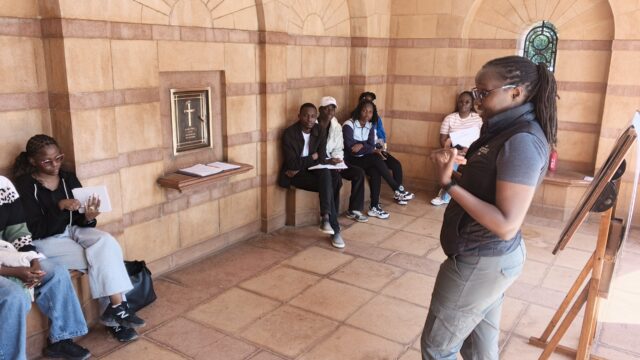
The STTA Young Change-Makers Programme continued its newly launched Outdoor Connect activity on Saturday, 27th June 2026, with a visit that shifted the focus from waste management to heritage, memory, and the ethics of tourism. The destination was Nairobi War Cemetery, a beautifully maintained Commonwealth War Graves Commission site that honours soldiers who lost their lives in East Africa during the Second World War. Just three days after the opening visit to TakaTaka Solutions, this experience proved that the programme’s scope is as broad as the tourism industry itself.
Outdoor Connect was created to expose students to the full spectrum of tourism-related sites. The visit to Nairobi War Cemetery brought that intention to life in a profoundly reflective way, and the insights gained by the Young Change-Makers revealed a maturing ability to think critically about complex topics.
Arriving with Reverence and Curiosity
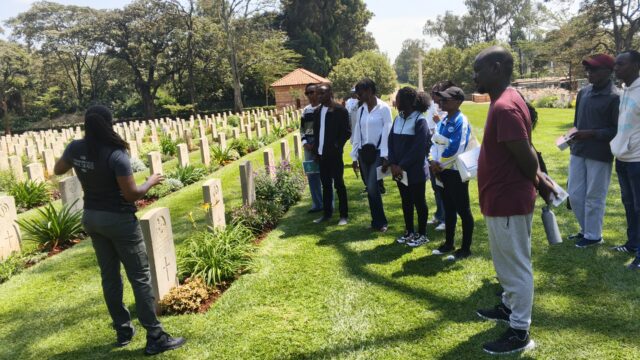
From the moment the cohort entered the cemetery gates, a different energy prevailed. The neat rows of headstones, the carefully tended gardens, and the sweeping views created an atmosphere of quiet dignity. The Changemakers walked the grounds not as casual visitors, but as tourism professionals in training. They observed the signage, the horticulture, the visitor facilities, and the overall sense of place. They asked important questions about who visits such sites, how their stories are told, and what responsibilities tourism has towards places of remembrance. This is the thoughtful, respectful engagement that the initiative fosters in all its participants.
5 Thoughtful Reflections from the Outdoor Connect Experience
Here are five meaningful reflections that emerged from the day, insights that will resonate with any emerging tourism leader.
1. Heritage Sites Demand Sensitivity
The most immediate lesson was that not all tourism experiences are designed for entertainment. At Nairobi War Cemetery, the purpose is commemoration, and every interpretive choice must respect that. The group discussed how guiding, signage, and marketing must strike a delicate balance between education and solemnity. This understanding of nuanced visitor experience design is a core skill the programme helps students develop.
2. Dark Tourism Carries Ethical Responsibilities
A recurring theme throughout the visit was the ethics of visiting places associated with death and suffering. The Changemakers debated where the line lies between respectful remembrance and voyeurism. They explored how tourism professionals can ensure that sites like Nairobi War Cemetery are presented with dignity, and how visitor behaviour should be gently managed. This ethical grounding reflects the values embedded in all the training provided.
3. Local Engagement Remains an Untapped Opportunity
The students observed that the majority of visitors to the cemetery appeared to be international tourists or descendants of the fallen. They identified a significant gap in local Kenyan visitation and discussed strategies to make the site more relevant and accessible to domestic audiences. Ideas included school programmes, community events, and digital storytelling that connects the global narrative to Kenya’s own history. The programme encourages this kind of inclusive, community-focused analysis.
4. Storytelling Can Bring Silent Stones to Life
One of the most profound realisations of the day was that headstones alone do not tell a story. The Young Change-Makers discussed how the personal histories of the soldiers buried at Nairobi War Cemetery could be brought to life through audio guides, interactive maps, and trained interpreters. They recognised that compelling storytelling can transform a quiet visit into a deeply meaningful experience, and that tourism graduates have a role to play in crafting those narratives.
5. Young People Can Be Guardians of Memory
Perhaps the most inspiring outcome of the visit was the recognition that heritage preservation is not only the work of governments and large institutions. The open discussion that followed the tour buzzed with ideas for youth-led memorial projects, digital archives, and volunteer programmes that connect young Kenyans to their national history. Within the programme, reflection is only the first step; stewardship follows quickly.
A Genuine Professional Exchange
True to the Outdoor Connect model, this was never a one-way lecture. After the walk-through, the students sat down with a heritage tourism professional for an honest, wide-ranging conversation. They asked difficult questions about funding for site maintenance, the challenges of attracting younger visitors, and the complexities of interpreting colonial-era narratives for a contemporary African audience. They received thoughtful, candid responses. It was a genuine professional exchange that builds both confidence and clarity, and it exemplifies the kind of learning environment the initiative creates.
This dialogue is what sets the activity apart from a typical field trip. Participants leave not with a worksheet, but with the ability to articulate informed opinions in public. Following the visit, each Changemaker published at least one social media post sharing personal insights, gaps, and solutions. The authentic voices that emerged from Nairobi War Cemetery filled LinkedIn, Instagram, and Twitter, proving that these young professionals have something valuable to say.
Connecting the Dots Across Outdoor Connect
The STTA Outdoor Connect journey had now linked two very different worlds: the dynamic circular economy of TakaTaka Solutions and the quiet remembrance of Nairobi War Cemetery. Later, the rich cultural layers of Nairobi National Museum would further expand this foundation. The approach is deliberately broad because the tourism industry is multifaceted, and its future leaders must be ready for every dimension.
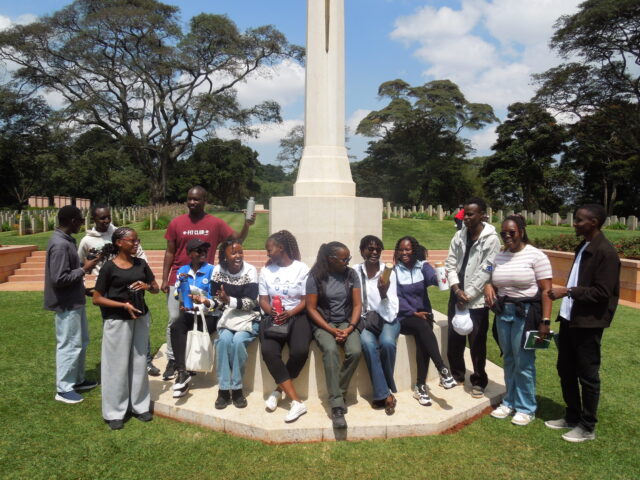
Image: STTA Young Change-Makers during the Outdoor Connect reflection session at Nairobi War Cemetery.
Looking Ahead
Founded in 2017, the STTA Young Change-Makers Programme remains steadfast in its mission to mentor emerging African sustainable tourism leaders. By equipping students with sustainability knowledge, heritage interpretation skills, and the confidence to express themselves publicly, the organisation is nurturing a generation ready to lead.
For further information on the cemetery and the work of the Commonwealth War Graves Commission, visit the CWGC official website.
The long university break was proving to be a journey of unexpected connections. If you are a tourism, hospitality, or wildlife management student in Kenya, follow our channels closely. Your own Outdoor Connect experience, and your chance to become one of the Changemakers shaping African tourism, could be next.
Follow STTA Young Change-Makers on social media to experience Outdoor Connect through the eyes of the students who are living it.