
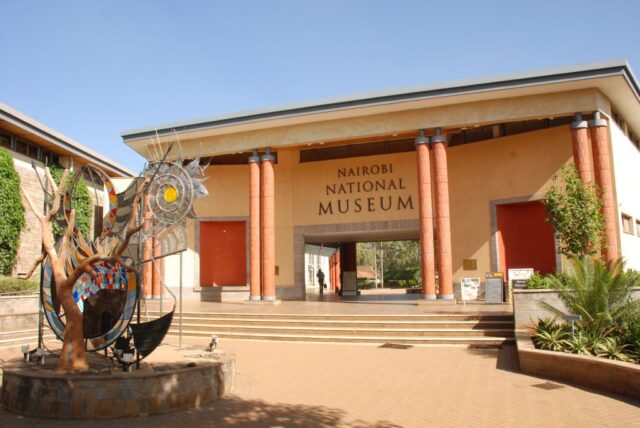
STTA Young Change-Makers Outdoor Connect at Nairobi National Museum
The STTA Young Change-Makers Programme reached a new milestone on Saturday, 26th July 2026, with the third instalment of its innovative Outdoor Connect activity. This time, the destination was the iconic Nairobi National Museum, a space where Kenya’s natural, cultural, and artistic heritage comes alive. Following earlier visits to TakaTaka Solutions and the Ngong War Cemetery, this latest experience proved that the programme is shaping a generation of critical thinkers ready to reimagine tourism and heritage interpretation.
The Outdoor Connect activity was designed to transform the long university break into a launchpad for real-world learning. The visit to Nairobi National Museum did exactly that, and the insights gained by the Young Change-Makers are nothing short of transformative.
Arriving with Purpose
From the moment they stepped into the museum’s atrium, the cohort approached every gallery with professional curiosity. The self-guided exploration covered the Cradle of Humankind, the Hall of Mammals, the Cycles of Life cultural exhibition, and the contemporary art space. Instead of passive observation, these Changemakers asked tough questions about visitor flow, accessibility, and the quality of storytelling. This is the kind of engaged, analytical mindset that the initiative actively cultivates in all its participants.
5 Powerful Lessons from the Outdoor Connect Experience
Here are five key takeaways that emerged from the day, insights that will resonate with any emerging tourism leader.
1. Interpretation Brings Objects to Life
Without compelling interpretation, a fossil is just a bone and a headdress is just fabric. The group quickly identified how lighting, descriptive panels, and spatial design shape emotional and intellectual responses. They noted where storytelling excelled and where it fell short. This ability to critique and improve visitor experiences is a core skill that the programme helps students develop.
2. Museums Must Be Welcoming to All
A recurring theme throughout the visit was inclusivity. The Changemakers discussed the need for multilingual signage, tactile exhibits for visually impaired guests, and programming that appeals to local communities, not just international tourists. An inclusive museum, they concluded, is a sustainable museum. This focus on accessibility reflects the values embedded in all the training provided.
3. Digital Engagement Is Now Essential
During their time at Nairobi National Museum, the students audited the institution’s digital footprint, from its website to its social media channels. They identified gaps in virtual tours, interactive apps, and online collections that could attract younger audiences. The programme encourages this kind of forward-looking, technology-aware analysis because a visitor’s journey often begins on a screen long before they arrive at the door.
4. Curation Shapes How a Nation Sees Itself
One of the most profound realisations of the day was that curatorial choices directly influence national identity. The objects a museum displays, and those it keeps in storage, tell a particular story. The Young Change-Makers debated the representation of Kenya’s diverse ethnic communities, the balance between colonial and pre-colonial narratives, and the responsibility carried by curators. These are exactly the complex, nuanced conversations that the initiative prepares its students to lead.
5. Youth Voices Belong at the Centre
Perhaps the most empowering outcome of the visit was the recognition that young people are not just passive visitors. They are potential co-creators, content developers, and future museum directors. The open discussion that followed the tour buzzed with ideas for youth-led pop-up exhibitions, student curator programmes, and social media takeovers. Within the programme, observation is only the first step; action follows quickly.
A Genuine Professional Exchange
True to the Outdoor Connect model, this was never a one-way lecture. After exploring the galleries, the students sat down with a heritage professional for an honest, wide-ranging conversation. They challenged assumptions, offered fresh perspectives, and received unfiltered feedback. It was a genuine professional exchange that builds both confidence and clarity, and it exemplifies the kind of learning environment the initiative creates.
This dialogue is what sets the activity apart from a typical field trip. Participants leave not with a worksheet, but with the ability to articulate informed opinions in public. Soon, each Changemaker will publish at least one social media post sharing personal insights, gaps, and solutions. The authentic voices emerging from Nairobi National Museum will soon fill LinkedIn, Instagram, and Twitter, proving that these young professionals have something valuable to say.
Connecting the Dots Across Outdoor Connect
The STTA Outdoor Connect journey has now linked three very different sites. From the circular economy lessons at TakaTaka Solutions to the quiet reflection at the Ngong War Cemetery, and now the rich cultural layers of Nairobi National Museum, each visit builds a more complete understanding of what sustainable tourism truly means. The approach is deliberately broad because the tourism industry is multifaceted, and its future leaders must be ready for every dimension.
Image: STTA Young Change-Makers during the Outdoor Connect discussion session at Nairobi National Museum.
(Alt text: STTA Young Change-Makers and Changemakers at Nairobi National Museum sharing insights during Outdoor Connect)
Looking Ahead
Founded in 2017, the STTA Young Change-Makers Programme remains steadfast in its mission to mentor emerging African sustainable tourism leaders. By equipping students with sustainability knowledge, interpretation skills, and the confidence to express themselves publicly, the organisation is nurturing a generation ready to lead.
For further information on the museum’s collections and educational programmes, visit the National Museums of Kenya official website.
The long university break is proving to be an extraordinary classroom. If you are a tourism, hospitality, or wildlife management student in Kenya, follow our channels closely. Your own Outdoor Connect experience, and your chance to become one of the Changemakers shaping African tourism, could be next.